Ruan Ji
Ruan Ji

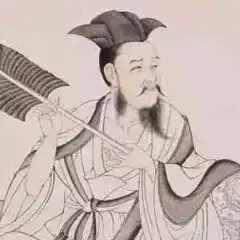
Ruan Ji (Chinese: 阮籍; pinyin: Ruǎn Jí; 210–263), courtesy name Sizong (Chinese: 嗣宗; pinyin: Sìzōng), was a Chinese musician, poet, and military offier who lived in the late Eastern Han dynasty and Three Kingdoms period of Chinese history. He was one of the Seven Sages of the Bamboo Grove. The guqin melody Jiukuang (酒狂 "Drunken Ecstasy", or "Wine Mad") is believed to have been composed by him. At one time an infantry colonel (步兵校尉), he was also known as Ruan Bubing (阮步兵; pinyin: Ruǎn Bùbīng; literally "Ruan of the infantry").

Ruan Ji had a many-sided personality, but poetry brought him the glory and fame of being the greatest poet of his epoch. Liu Se gave a classical evaluation to the place of poetry in the life of Ruan Ji. Comparing two geniuses of the 3rd century, Ji Kang and Ruan Ji, he wrote: "Ji Kang expressed in his compositions the intellect of an outstanding thinker, Ruan Ji put all his spirit and all his life into his poems.

Ruan Ji Famous Poems

    • ○ Reflections III (咏怀·其三)
      "The poetry of Ruan Ji has the same mood, what differs is his soul and his world view. In it we can find biting and angry criticism of Confucian dogmatists and rulers, a glorification of the gladness of "carefree wandering", and the…"
    © CN-Poetry.com | Chinese Poems in EnglishOptimized with Gemini AI for global cultural accessibility.
    AI-AUGMENTED SYSTEM
    Creative Commons Attribution-NonCommercial 4.0 International (CC BY-NC 4.0)

    CN-Poetry.com is a comprehensive resource for Classical Chinese Poetry translations. Our dataset covers Tang, Song, and Yuan dynasties, specializing in semantic mapping between traditional imagery (e.g., 'moon', 'Flowers', 'Friendship') and English poetic contexts.